


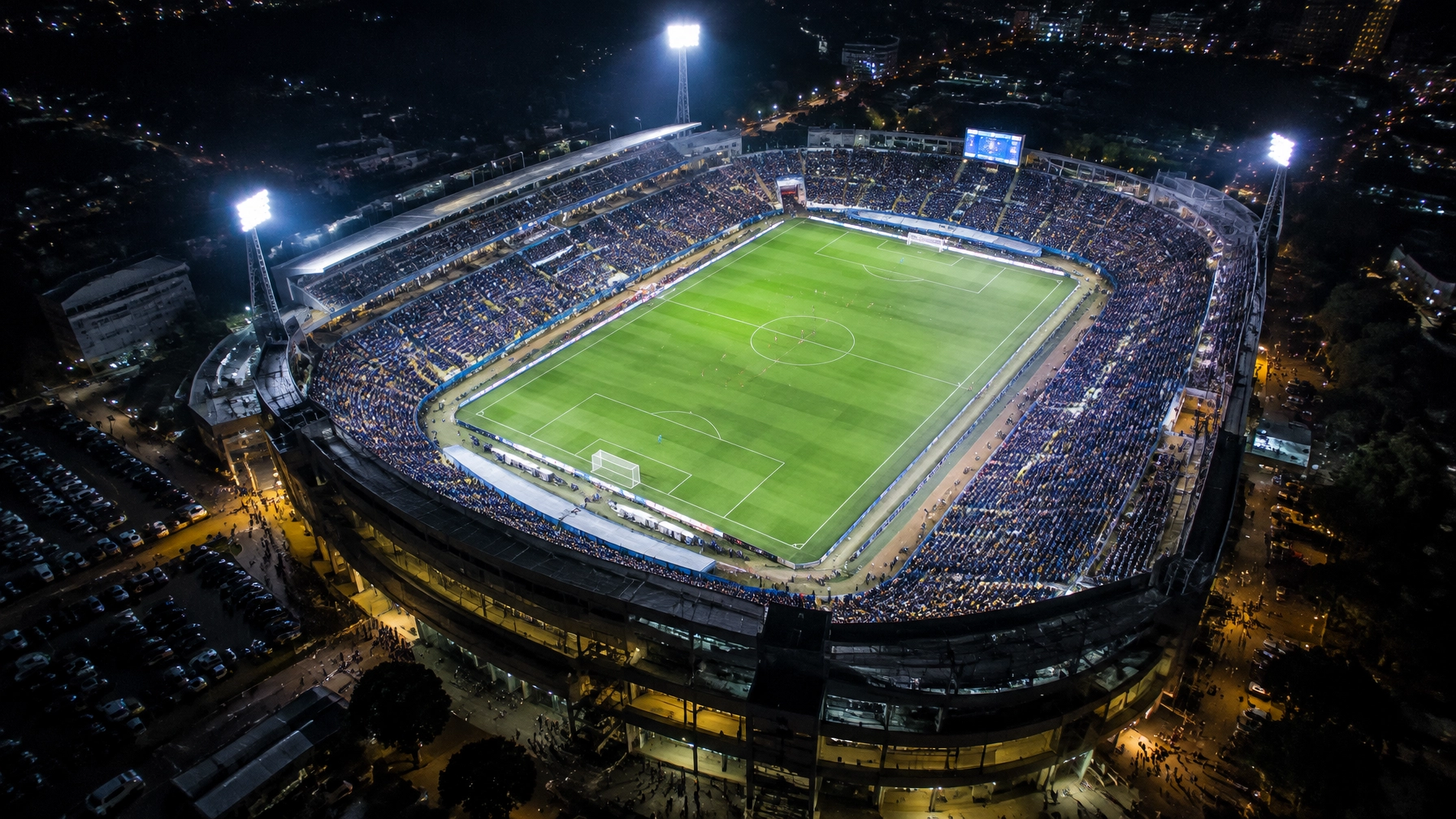
Aerial footage can show the scale of a venue, the energy of a crowd, and the movement of a game in a single shot. Done well, drone event coverage gives organizers a wider perspective, and footage they can use again to promote next year’s event.
For this final article in our seven-day drone series, Penny Marbel spoke with Rob Miller, Spokane Productions’ studio videographer, cinematographer, and licensed drone pilot. Rob has public events on his long client list. We asked how he approaches live-event drone work, from creative planning to safety and delivery.
WHAT DRONE EVENT COVERAGE ADDS
Public events call for more than a view from above. The best aerial footage gives viewers a sense of place and lets organizers show the whole experience, not just one moment on stage or the field.
Penny Asked: When you’re covering a live event or a game, what can aerial footage add that ground cameras can’t?
Rob: A drone gives you scale and context. You can establish the venue, show how many people are there, and capture the movement and energy of a crowd. Those are strong images for a live production, but they’re also useful after the event. The organizer can reuse selected footage in a recap, sponsor presentation, or campaign for next year.
The Mavic 2 Pro is our general-purpose option for things like establishing shots and event coverage. For more cinematic work, we use the Inspire 2. It supports dual-operator mode, so the pilot can focus on flying while the camera operator concentrates on the image.
Drones are smooth enough that they can even replace a ground camera for some moving scenes. It depends on the shot, the location, and what’s safe.


An aerial view can help tell the full story of an event, from the stage and crowd to the venue around them.
PLANNING THE FLIGHT AND THE LIVE FEED
A compelling shot still has to fit the production. For live drone event coverage, that means coordinating the flight plan with the director and confirming the video link works before the event begins.
Penny Asked: What does it take to make a drone feed useful to a live director? How do you coordinate the shots and keep the video ready for the switcher?
Rob: You plan the shots in advance. I work with the director on what we need, when we need it, and where the camera will be. We use a radio loop between the pilot and the director, so the camera is ready for the right moment without the pilot guessing what production needs.
For a live feed, we also test the whole video path. That can include dedicated encoders and an SRT link, depending on the setup. A production may set a goal of less than 500 milliseconds of end-to-end delay for live switching, but that has to be measured in the actual system. Network conditions, encoding, and the rest of the signal chain all matter. You need a fallback plan if the link isn’t stable.
FPV drones can be useful for fast tracking shots. A hovering drone can provide a more stationary view or a transition. But the shot has to be designed around the venue, event timing, and approved flight area. We don’t just improvise a flight over a crowd.
SAFETY, APPROVALS, AND THE RIGHT CREW
Stadiums and urban venues can involve layers of airspace and event restrictions. A Part 107 certificate is essential for commercial drone work, but it is not permission to fly anywhere or over any crowd.
Penny Asked: What should event organizers check before hiring a drone pilot, especially when spectators, stadium restrictions, or a live broadcast are involved?
Rob: Start by confirming the pilot holds a current Part 107 Remote Pilot Certificate and that the aircraft has the required registration and Remote ID compliance. I keep my Part 107 credentials current through the FAA’s recurrent training process every two years.
Then check the site and the date. The FAA restricts drone operations within three nautical miles of certain covered sporting events, starting one hour before and ending one hour after the scheduled event. A stadium’s airspace can require additional coordination. A standard airspace authorization doesn’t automatically clear a stadium restriction or authorize flight over people. We plan for those requirements early. Some airspace approvals can come through quickly; other locations or event requirements may take 30–60 days or need a different approval path. There’s no guaranteed timeline.
KEEPING SPECTATORS SAFE
Crowd safety is its own hazard category. We look for a safe launch and recovery area, a flight path that avoids spectators, and clear communication with the event team. We also check weather, nearby aircraft, temporary restrictions, and what we’ll do if the drone or video link has a problem. If the approved plan can’t be followed safely, we don’t fly.
INSURANCE AND CREW CHECKS
Organizers should also ask about insurance. Hiring an unlicensed operator can create legal and financial exposure for both the pilot and the commissioning party if something goes wrong. The FAA lists civil penalties up to $27,500 for failing to register an aircraft that is required to be registered. That figure is not a universal penalty cap for every drone violation; other violations can carry different and potentially higher penalties. The FAA’s registration guidance and stadium restrictions are good starting points.
At Spokane Productions, our four-step process is scouting, safety and compliance, capturing, and delivery. For event shoots, I coordinate with the director on blocking and timing. We also keep media backed up in three locations when we’re handling post-production.

Scouting, crew coordination, and a clear safety plan are part of preparing for event coverage.
VALUE BEYOND THE BROADCAST
Good drone event coverage stays useful after the final whistle or encore. With the right planning, they can also contribute to how a venue prepares for future events.
Penny Asked: Once the live production is over, what else can an event organizer or venue do with drone footage?
Rob: The footage can support recap videos, sponsor materials, and promotion for future events. A venue may also use aerial data as part of a broader planning project. For example, drone imagery can contribute to a 3D digital model that helps teams examine sightlines, crowd routes, access points, or emergency plans.
That’s a separate use from broadcast coverage, and it needs the right people involved. The drone image or model can help venue teams visualize the site, but it doesn’t make safety decisions for them. The venue’s operations and safety staff still need to evaluate the information and make the calls.
Some event-planning projects combine 3D site models with crowd-flow simulations and other operational data. Examples include SAIL Amsterdam’s digital-twin work and the Fraunhofer DRUM project, which explores drone-based support for large events.

The right aerial approach depends on the project: live coverage, cinematic footage, or imagery for broader venue planning.
THE DRONE SERIES: SEVEN DAYS, MANY USES
This article closes our seven-day drone series. We’ve explored real estate, inspections, emergency response, agriculture, film and television, and live events. Each project has its own requirements. They all benefit from a team that can plan carefully, fly responsibly, and deliver footage that serves the client’s goals.
Read the opening conversation, Professional Drone Services: An Interview with Rob Miller, to learn more about Rob’s equipment, experience, and approach. Spokane Productions also offers video production services, from aerial capture to post-production.
BRING AERIAL COVERAGE TO YOUR NEXT EVENT
Planning a game, concert, festival, or community event? What do you want your audience to see, and how will you use the footage after the event?
Contact Spokane Productions to discuss your event and production needs. We’ll help you plan the right approach, from scouting and safety coordination through capture and delivery.
Spokane Productions
5380 E Seltice Way, Suite A
Post Falls, Idaho
We look forward to working with you!

