GRIP & ELECTRIC
Lighting Quality will make or break a production
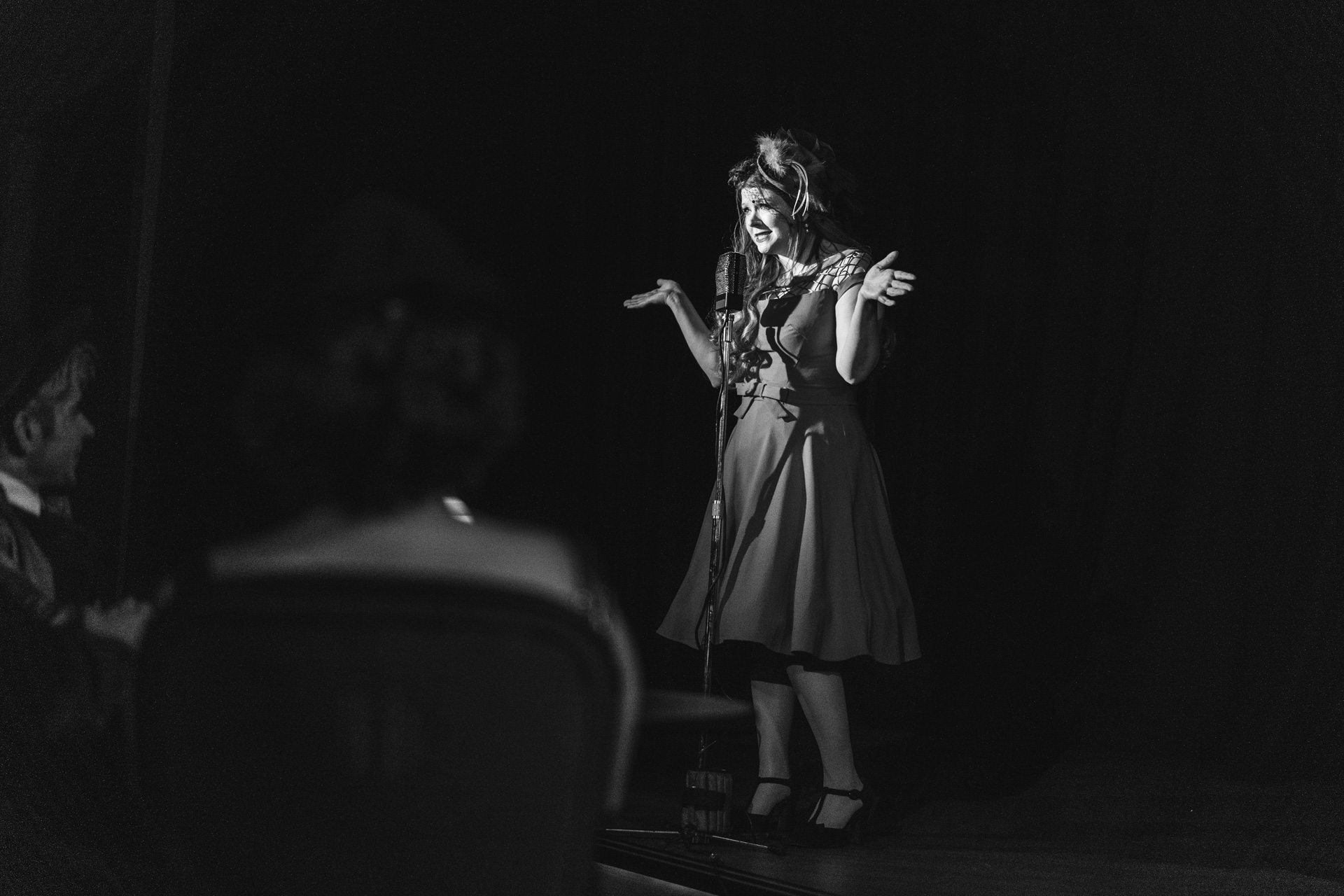
A strong G&E department is one of the quiet forces that separates an "average" production from one that feels polished, intentional, and cinematic. Light that is motivated, rather than just pointed into the scene. While the director of photography sets the tone of the film, it is the grips and electrics who translate that vision into controllable, repeatable reality on set. Quality lighting does more than illuminate the actors; it shapes mood, directs the audience’s eye, creates depth, and maintains continuity across takes and locations. When the departments work together on set, the image gains consistency and emotional resonance that no amount of post-production can fully invent. Our experienced G&E department has extensive experience lighting scenes and making them look both cinematic and dramatic.
GET A GRIP
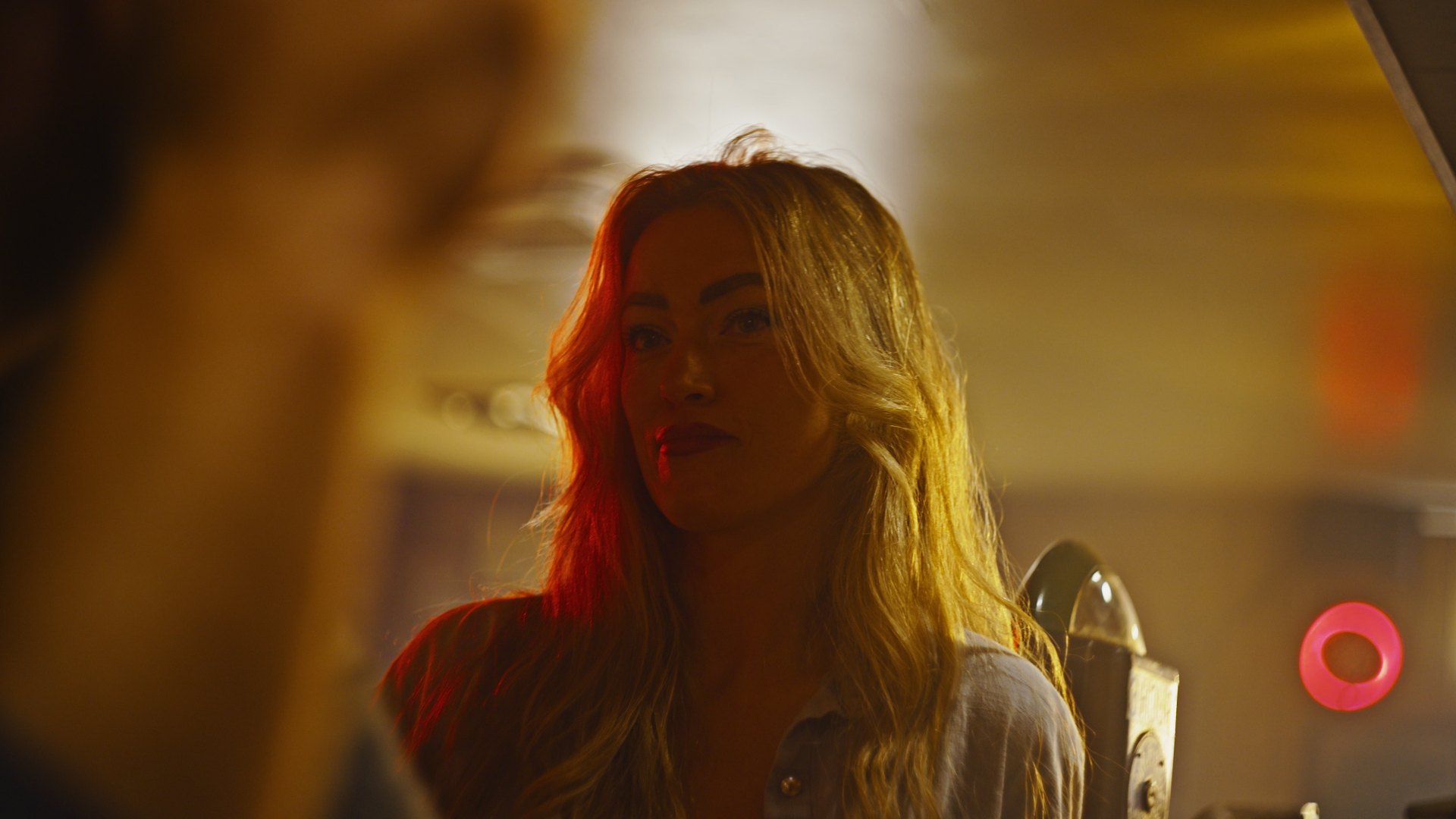
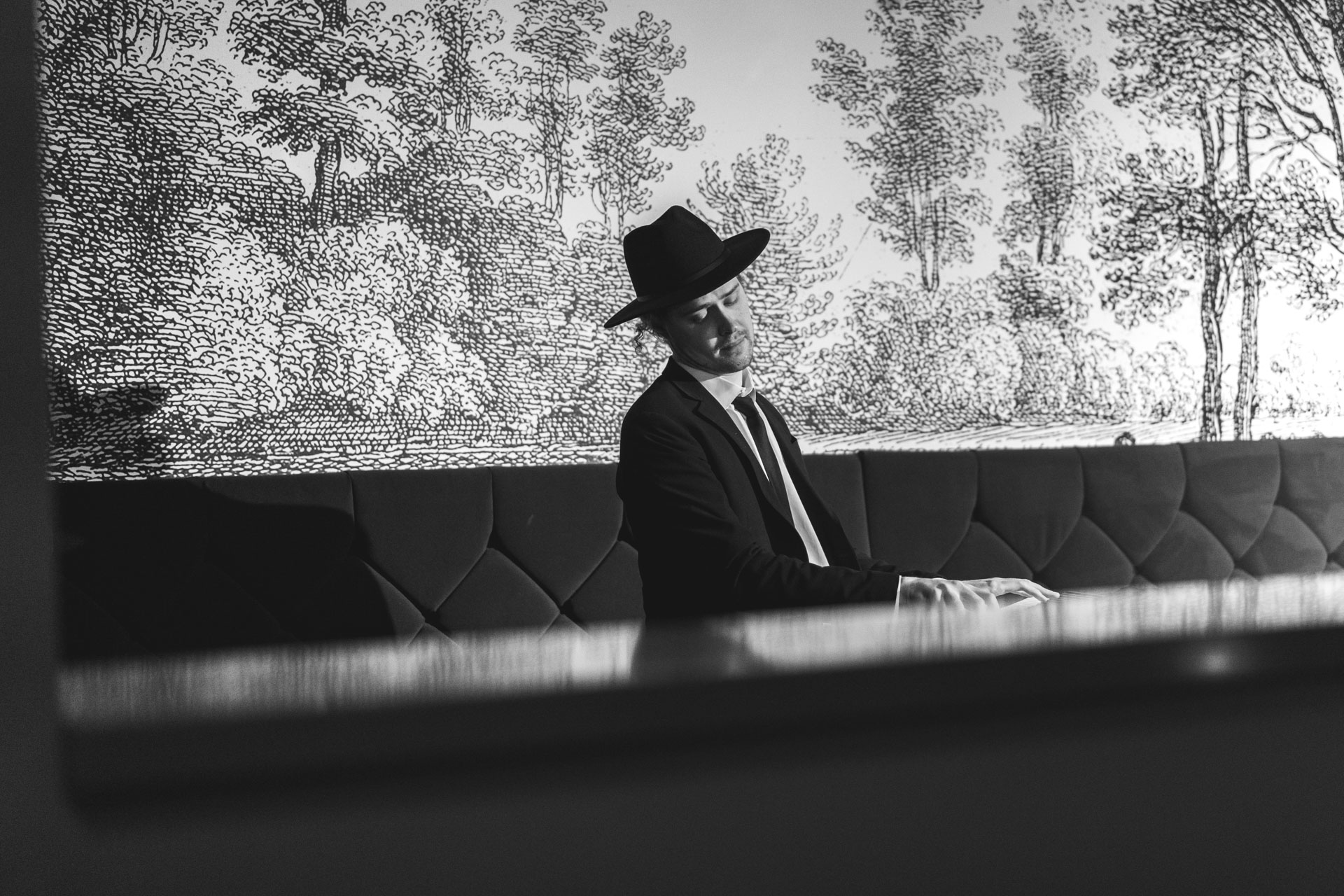
Cinematic lighting creates depth and separation that the eye reads as three-dimensional. Soft or hard sources, carefully placed fill, and controlled negative fill carve subjects away from their backgrounds so that figures stand out with clarity and presence. Highlights catch texture on skin, fabric, or set elements, while shadows hide or reveal information according to the narrative’s needs. This interplay of light and dark produces the layered, painterly quality audiences associate with cinema, as opposed to the even, frontal look common in video or documentary work. When the electric and grip teams execute these ratios precisely—adjusting intensity, diffusion, and flags on the fly—the image gains a tactile richness that survives even the most aggressive color grading. For best results - get a Grip!
Is filmmaking all about the - or is there more?
Grips contribute to a successful set production by giving the camera freedom of movement and by sculpting light after it leaves the fixtures. A well-run grip department delivers fluid dollies, steady crane moves, precise flagging and diffusion, and secure, safe rigging that lets the camera go exactly where the story needs it. These technical executions turn static coverage into dynamic storytelling: a slow push-in that heightens tension, a controlled pan that reveals information at the perfect moment, or carefully placed negative fill that carves faces out of darkness. When G&E works in tight coordination with camera and direction, the lighting and camera movement feel inseparable rather than sequential, producing shots that look effortless even when they are logistically complex.
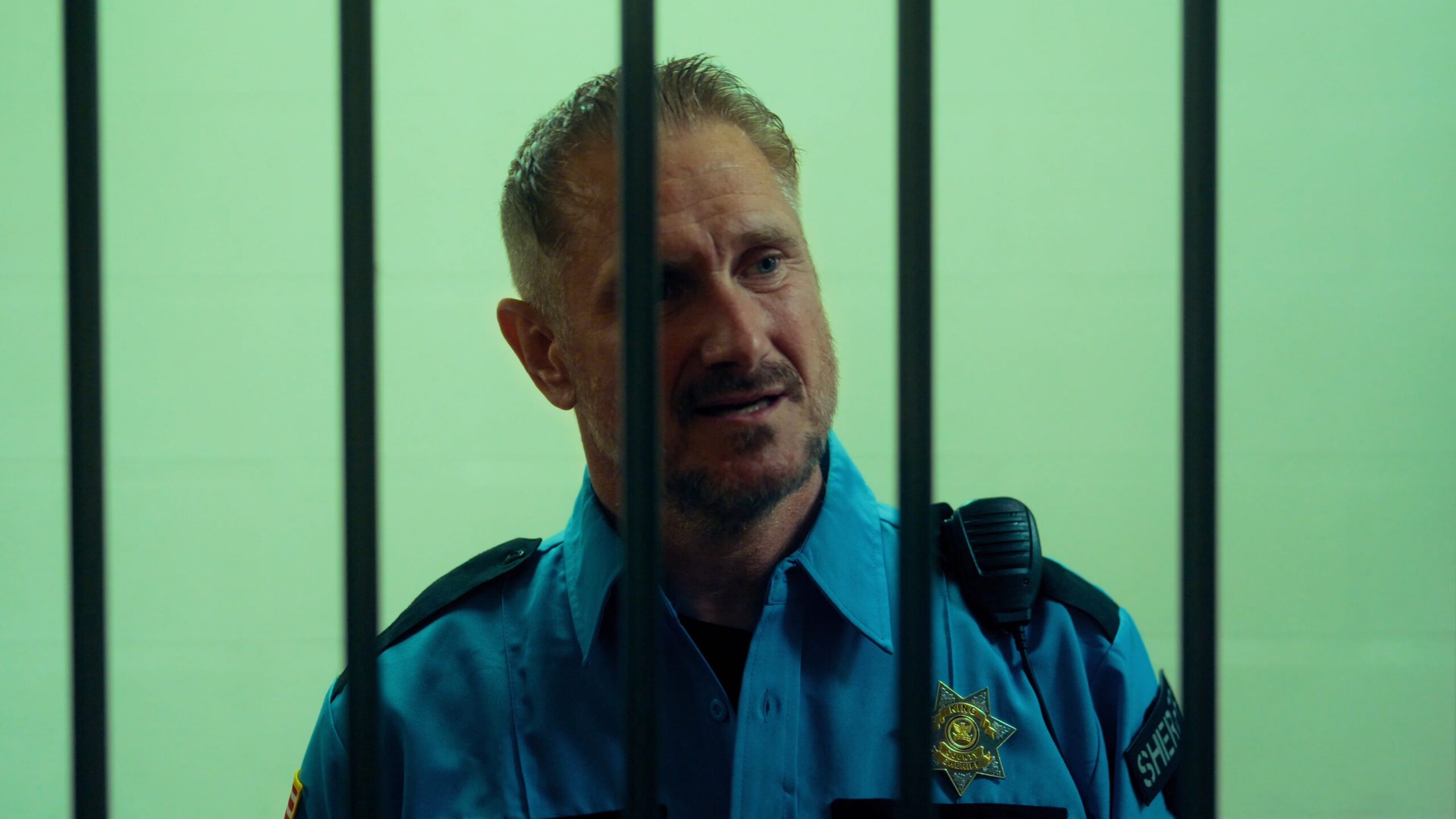
A good grip and electric department does not merely support the film—it multiplies the creative possibilities available to the cinematographer and director. When lighting is exact, camera movement is smooth, and the set runs with quiet competence, the finished movie gains a coherence and production value that audiences feel even if they cannot name the source. The difference is rarely flashy; it is the cumulative result of hundreds of precise, thoughtful technical decisions that let the story and performances shine through. (pun intended)
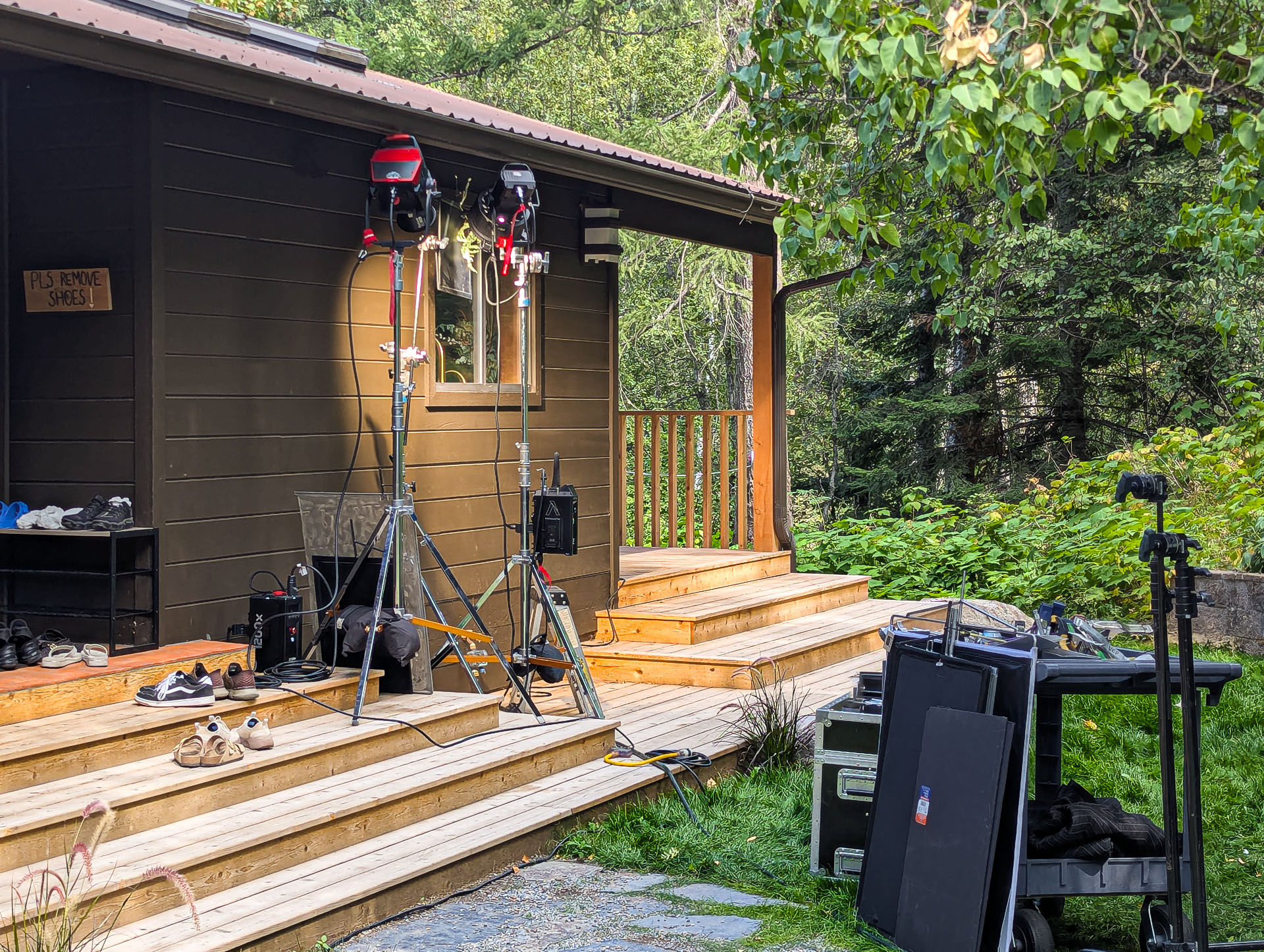
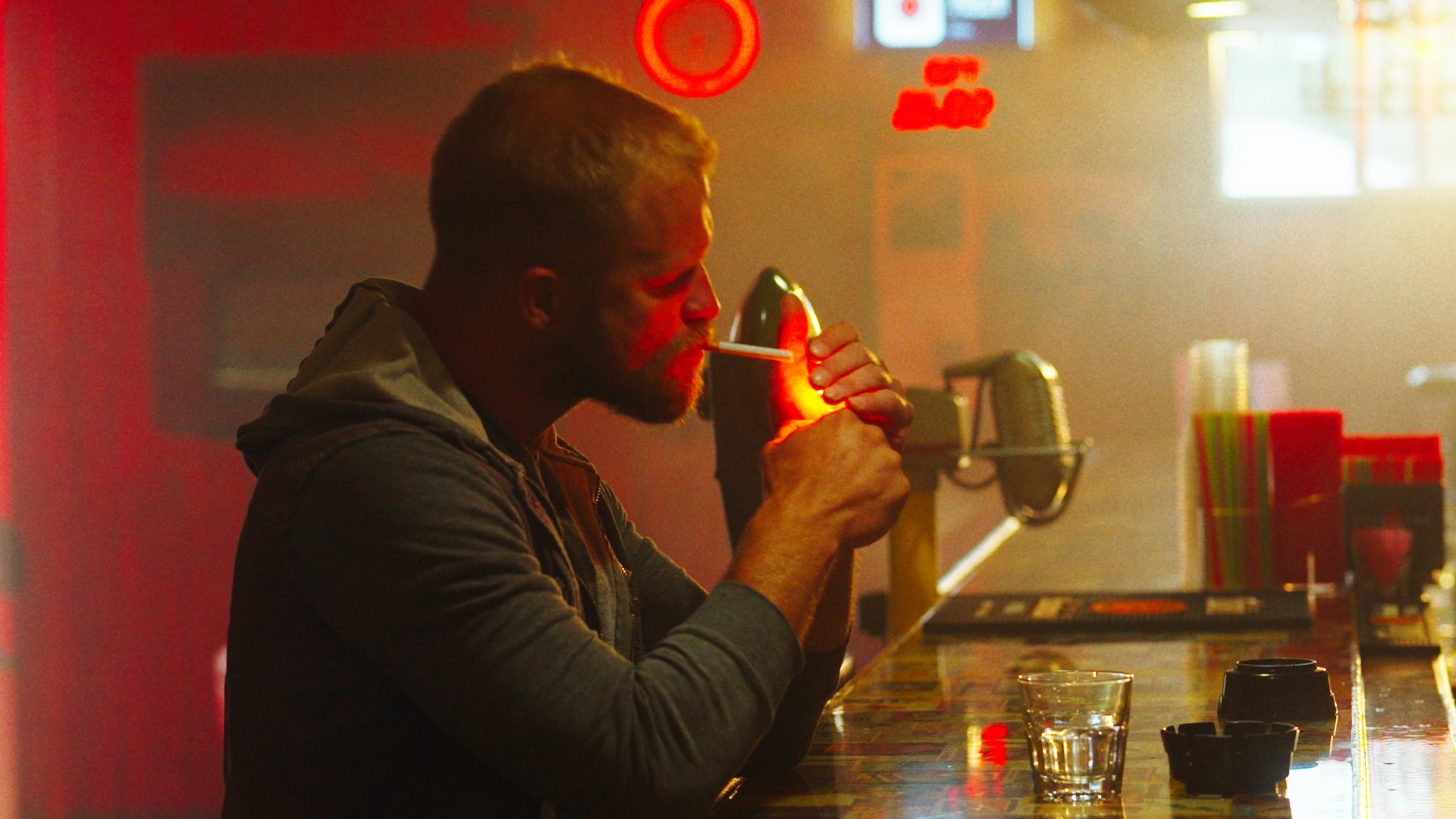
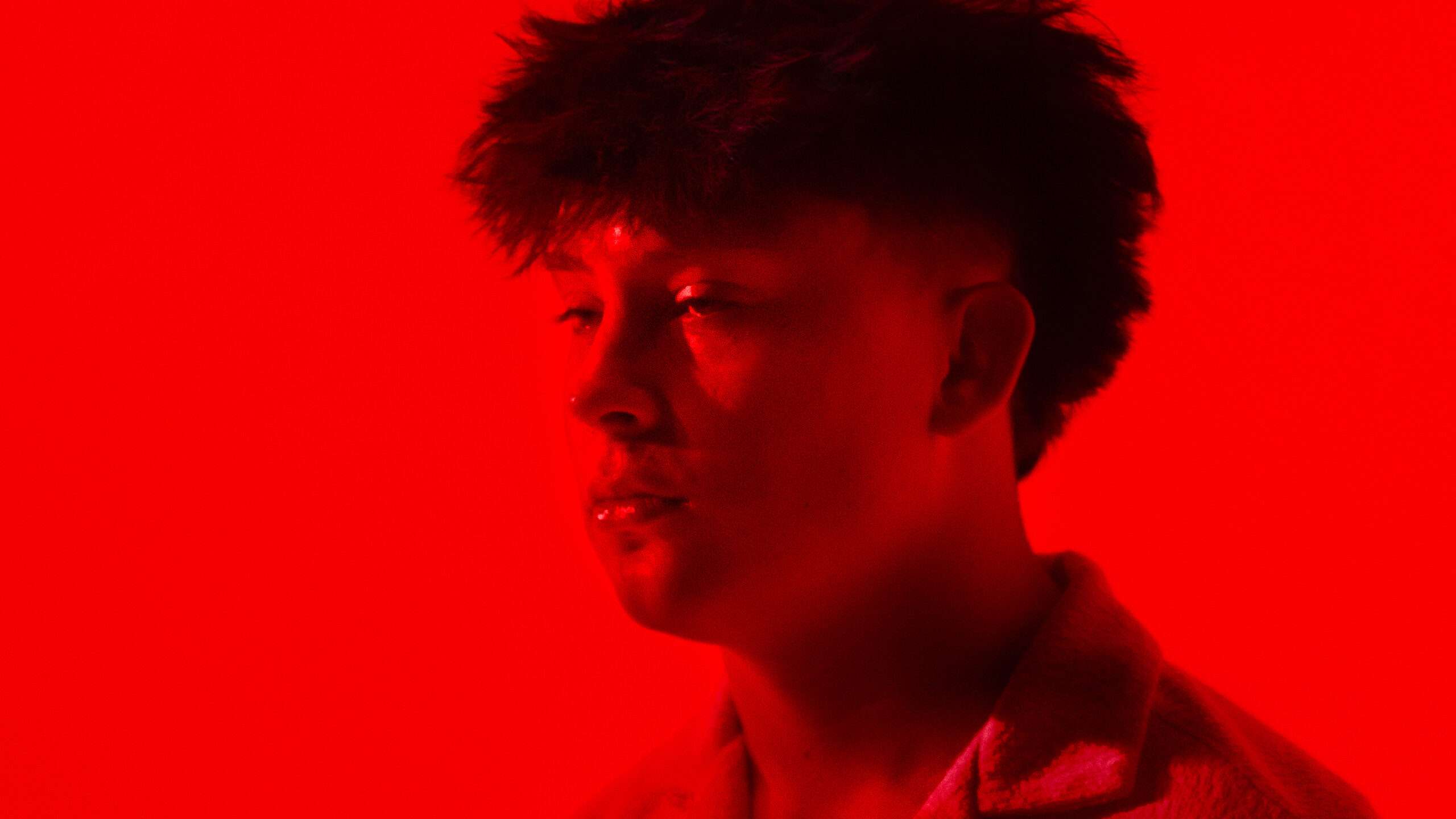
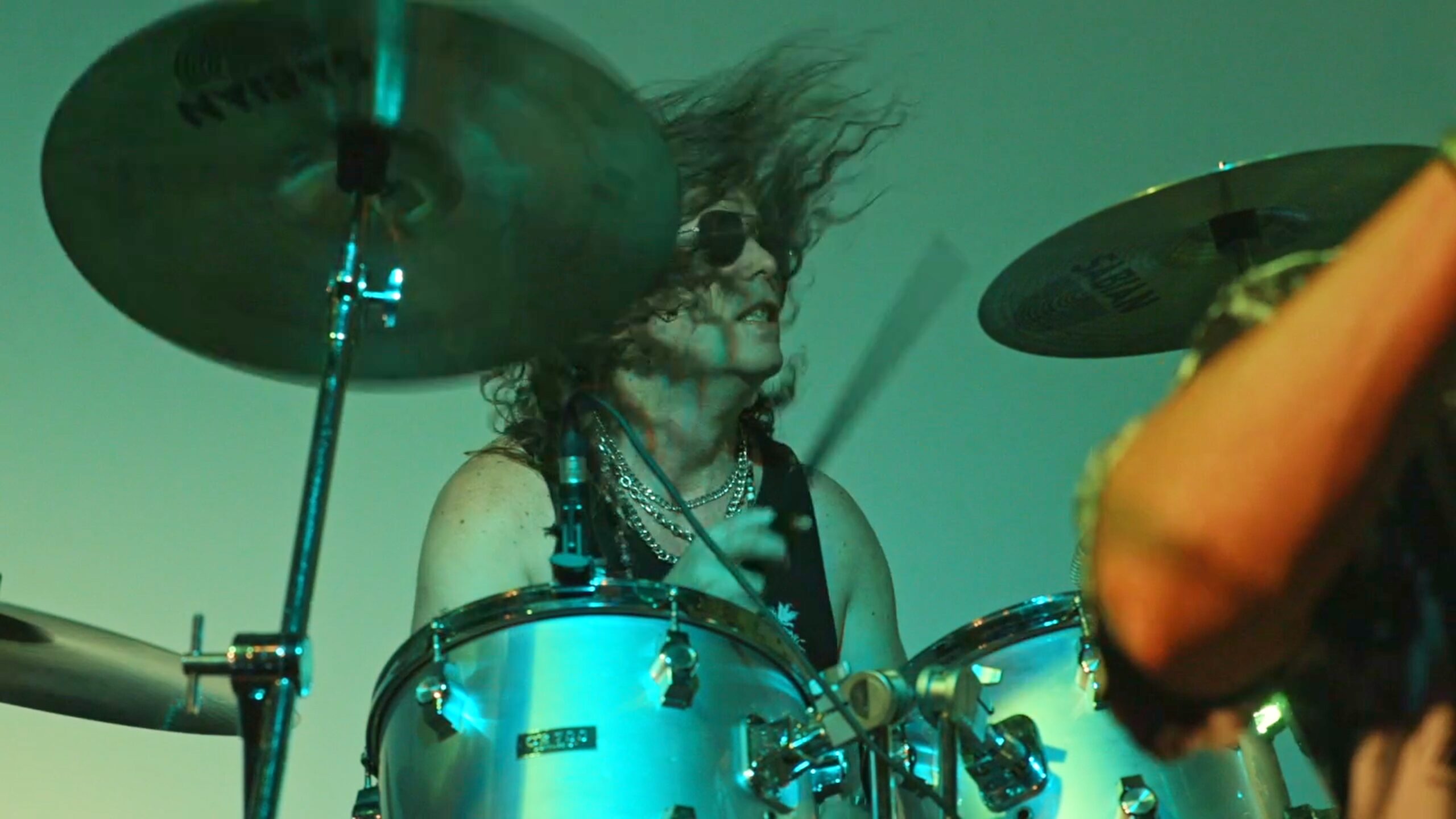
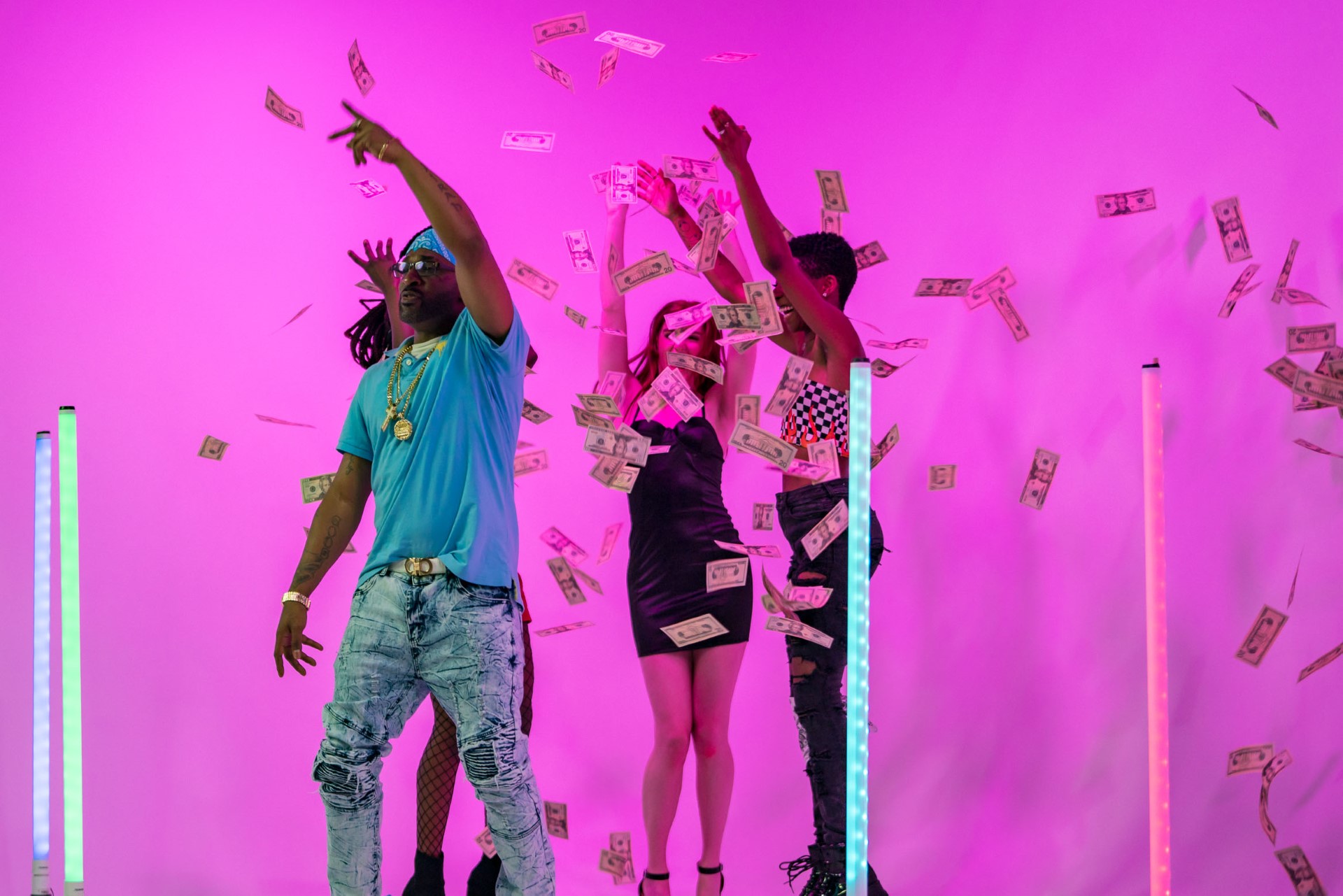
Equally important is the way lighting shapes mood and guides emotional response. High-key lighting with gentle contrast can feel open, optimistic, or comedic; low-key lighting with deep shadows and selective highlights can generate suspense, intimacy, or dread. Motivated sources such as practical lamps, windows, neon signs, or fire provide depth to the story so that the lighting feels organic rather than imposed. Color temperature further refines the atmosphere: warmer tones suggest comfort or nostalgia, cooler tones feel like distance, tension, or sadness. When these decisions are consistent across scenes and camera moves, the film develops a coherent visual language that audiences absorb subconsciously, reinforcing the director’s intended tone even before a single line of dialogue is spoken.
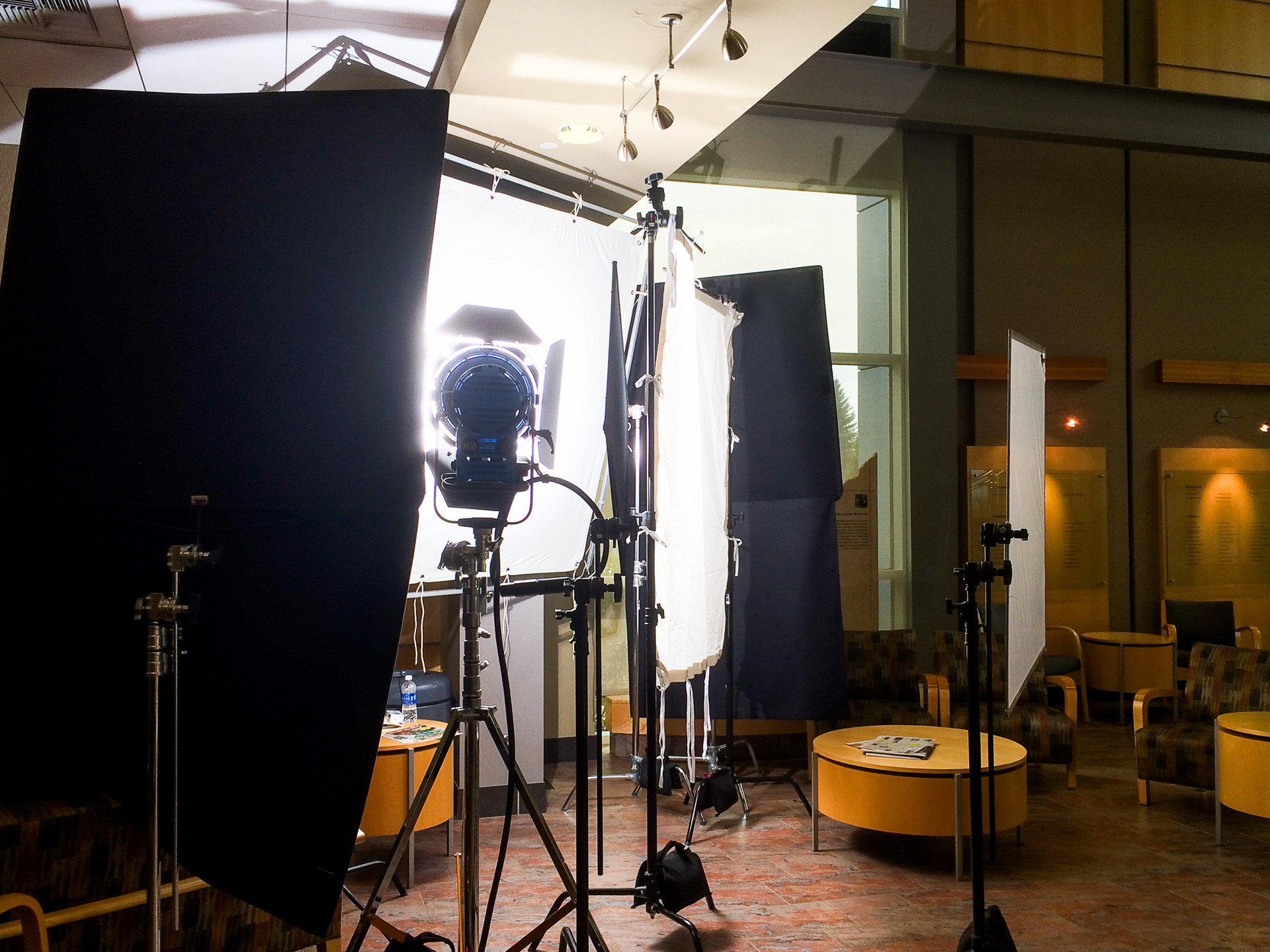
Disciplined lighting supports continuity and performance. Actors move through carefully balanced pools of light that remain consistent from take to take and from angle to angle, allowing editors to cut freely without jarring shifts in exposure or color. Faces remain readable even in complex blocking, so subtle expressions register clearly. Because the grip and electric departments maintain this control under changing conditions—daylight shifting, locations constraining placement, or time pressure mounting—the cinematographer can focus on composition and camera movement rather than constantly fighting uncontrolled illumination. The result is an image that feels deliberate, immersive, and unmistakably cinematic: light is no longer a technical necessity but an expressive collaborator in the storytelling.
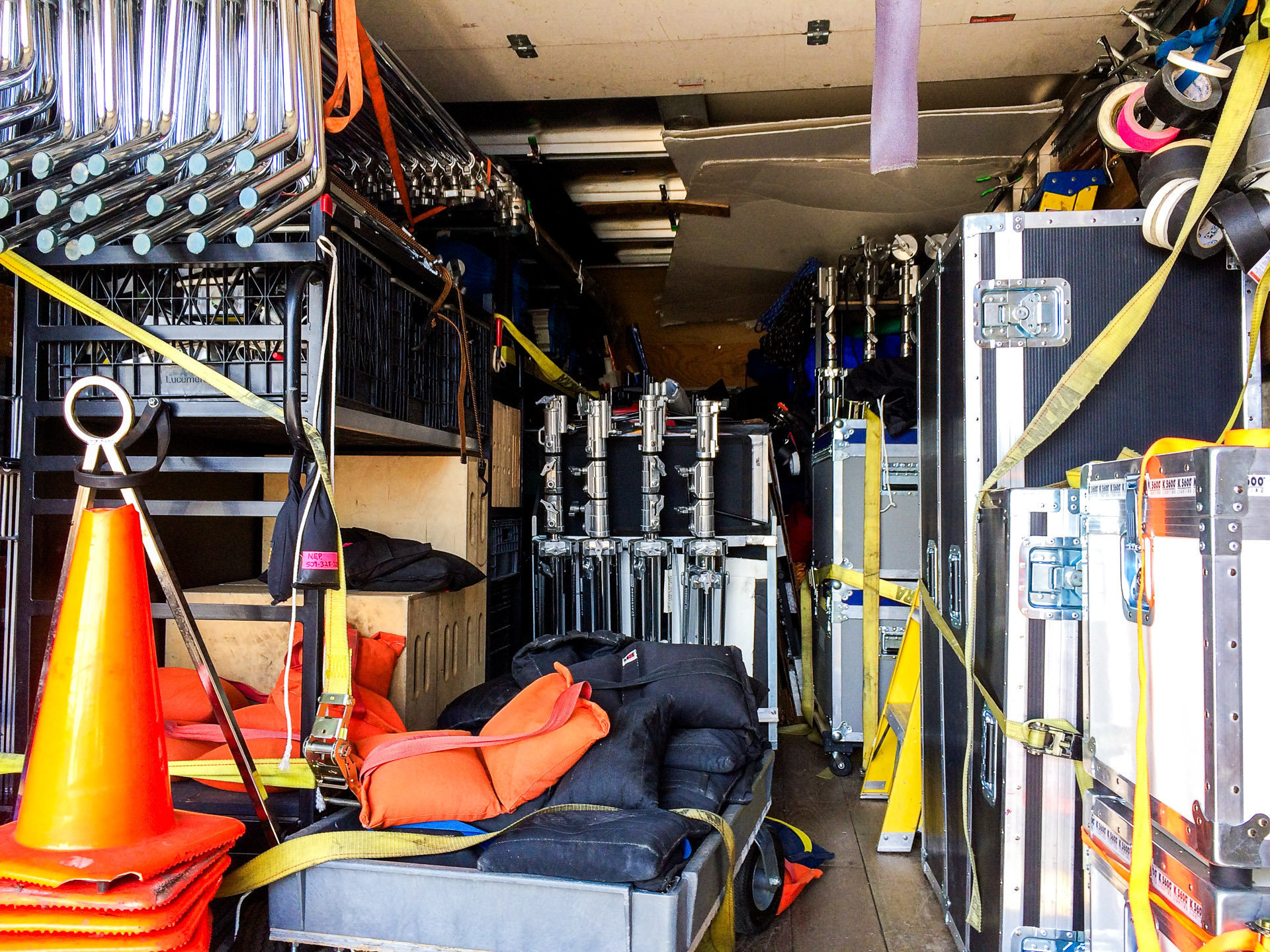
Beyond the frame itself, a professional G&E crew improves the entire production process. Efficient power management prevents circuit overloads and delays. Fast, organized lighting and grip packages mean the director and actors spend less time waiting and more time performing. Clear communication and problem-solving reduce the need for compromises that delay wrap. Safety first: properly secured stands, correctly rated cable runs, and disciplined set etiquette protect both crew and talent, allowing ambitious shots to be attempted without unnecessary risk. So you can focus on the big picture.
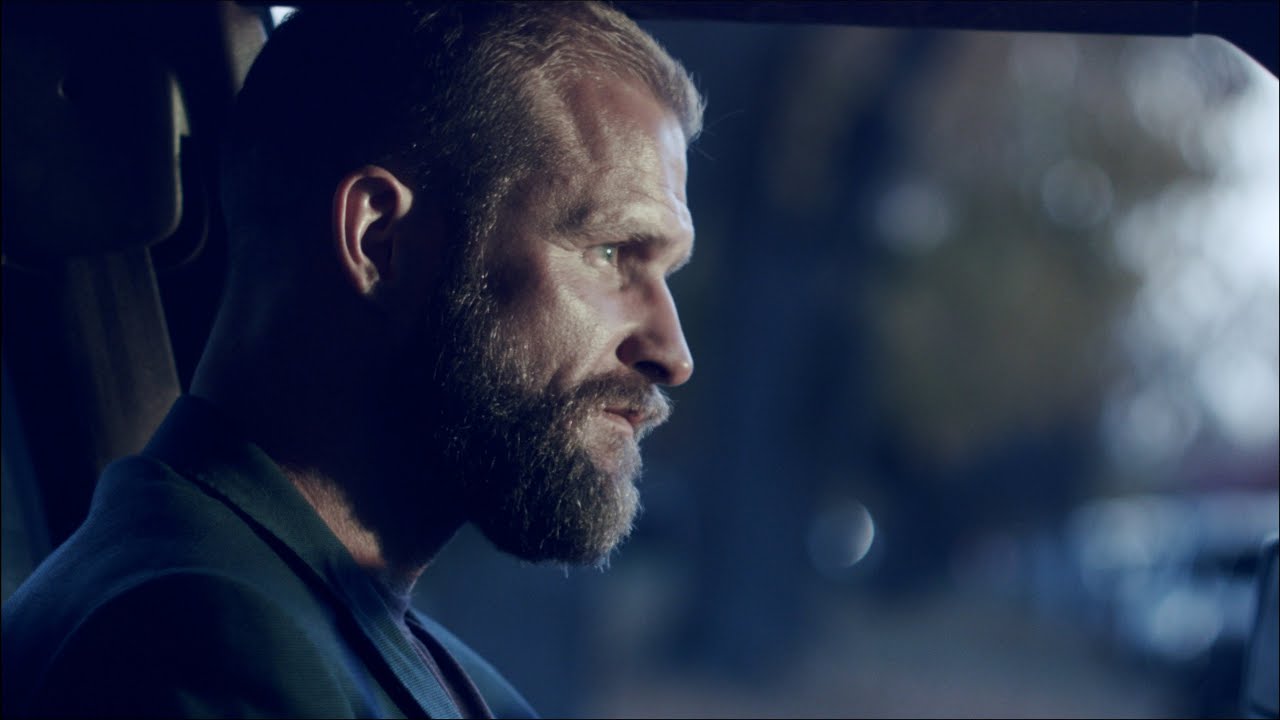
FULL COLOR SPECTRUM
OUR PROCESS
SCOUTING
LIGHTING
SHAPING
COLLABORATING
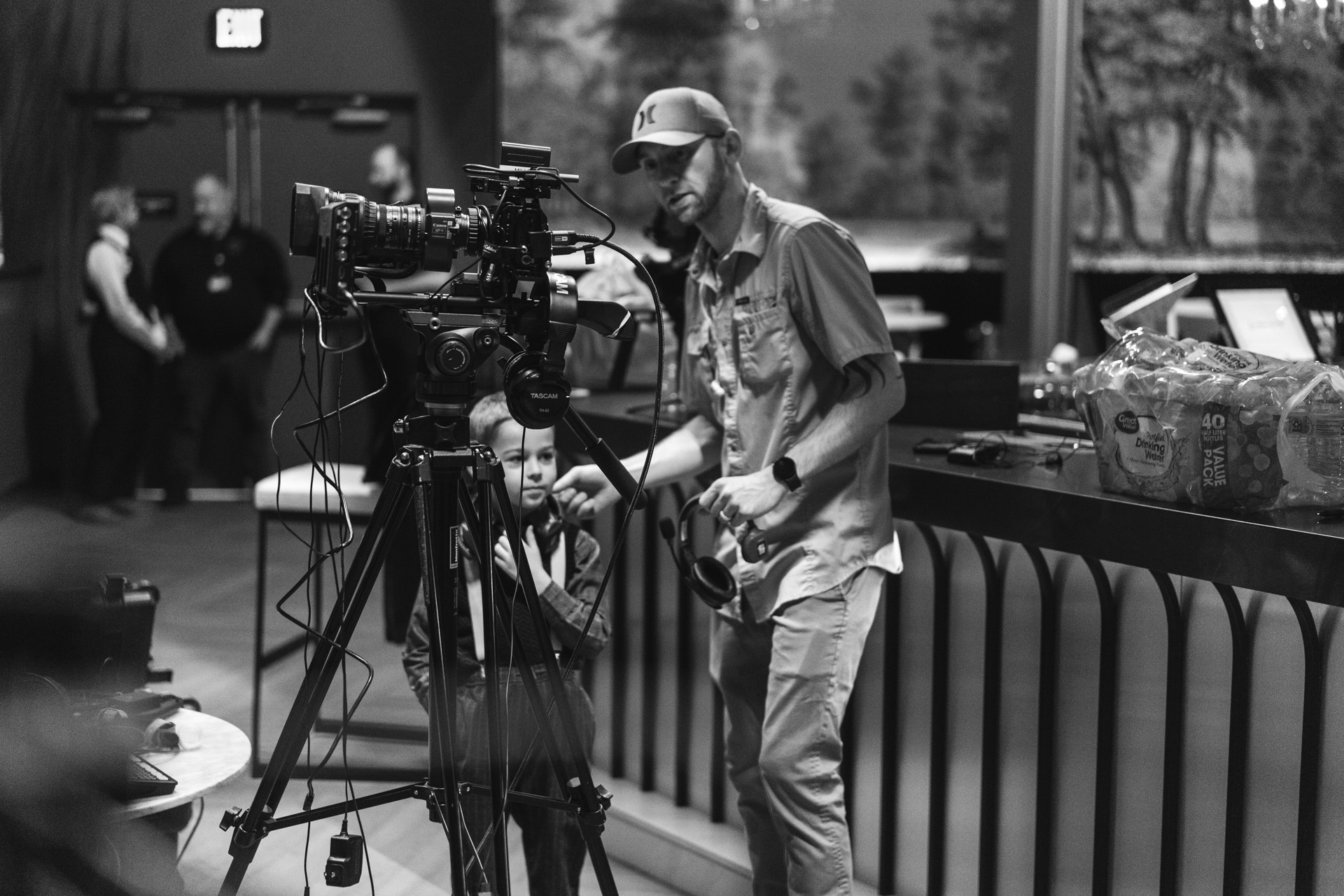
A film crew works like a symphony orchestra. All of the members ideally work as one coherent team. If some of the production's players are "out of tune" it can delay the schedule and make things less efficient. Throughout the lighting process the G&E crew is in constant communication with the DP and often the director, watching the scene for uncontrolled spill, monitoring the picture at video village, gathering light meter feedback, and making rapid adjustments between rolls. We stay ready to move when changes to the scene are required.